

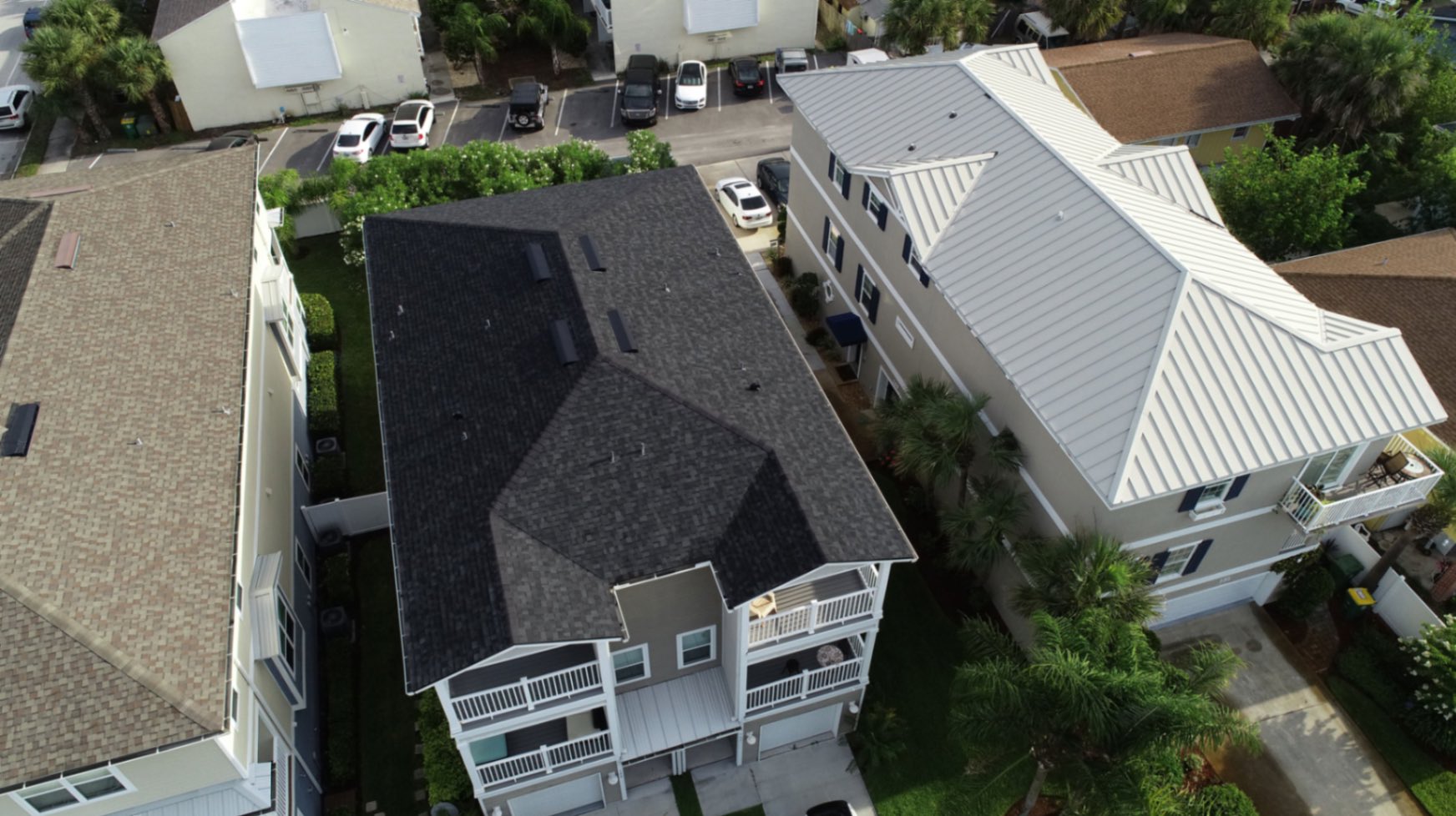
Denver’s climate is genuinely unique, and not in a way that is easy on your roof. You get 300 days of sunshine a year, which sounds great until you realize that ultraviolet exposure is one of the leading causes of roofing material degradation. Add in the late-spring and summer hailstorms that sweep through the Front Range, the freeze-thaw cycles that affect the metro area from October through April, and occasional heavy snowloads that can stress roof structures, and you have a combination of weather conditions that creates specific, recurring roof problems for Denver homeowners.
After inspecting hundreds of roofs across the Denver metro area, I can tell you the same issues come up again and again. Some of them are quick repairs. Others have been developing for years by the time a homeowner calls us. The difference between a minor repair and an expensive roof replacement almost always comes down to how long a problem was allowed to go unaddressed.
Here is a rundown of the most common roof problems we see in Denver, what causes them, and how they are properly fixed.
1. Hail Damage to Asphalt Shingles
If you have lived in Denver for more than a couple of years, you have been through at least one serious hailstorm. The metro area experiences significant hail events every year, and asphalt shingles take the brunt of it.
Hail damage to shingles is not always visible from the ground. What a roofing contractor looks for is impact bruising, which is a soft spot in the shingle where the granule surface has been knocked away and the underlying fiberglass mat has been fractured. These fractures break the waterproof integrity of the shingle. Over time, each subsequent rainstorm forces water through those fractures and into the decking beneath.
Signs of Hail Damage on Shingles
- Circular bare patches where granules have been knocked off
- Soft spots when you press on the shingle surface
- Random denting pattern across the roof surface
- Heavy granule accumulation in gutters after a storm
- Corresponding impact marks on metal surfaces like gutters, vents, and AC units
How Hail Damage Is Fixed
Hail damage repair depends on the extent and distribution of impact across the roof. In some cases, a targeted shingle replacement in heavily affected areas is appropriate. More commonly, when hail has impacted the majority of the roof surface, a full replacement is the right solution. This is also typically when an insurance claim comes into play. HRI Roofing and Construction LLC handles hail damage assessments and insurance claim assistance for Denver homeowners at no charge.
2. Leaking Around Roof Flashing
Flashing is the metal material installed wherever two roof surfaces meet or where the roof intersects a vertical surface like a chimney, wall, or skylight. It creates a waterproof seal at those vulnerable transition points, and it is one of the most common sources of roof leaks in Denver.
Read More: Complete Guide to Reliable Plumbing Solutions for Homeowners in 2026
Flashing fails for a few reasons. Hail can dent and distort it, breaking the seal. Thermal expansion and contraction from Denver’s dramatic temperature swings cause the metal to shift over time, pulling it away from the surfaces it is sealed against. Caulk and sealant used around flashing dries out and cracks, especially under the intense UV exposure Denver roofs receive.
The Most Leak-Prone Flashing Points
- Chimney flashing, both base and counter flashing
- Skylight flashing, especially on older installations
- Pipe boot flashings around plumbing vents
- Step flashing along dormers and roof-to-wall transitions
- Valley flashing where two roof planes converge
How Flashing Leaks Are Fixed
Minor flashing repairs involve resealing the existing flashing with roofing caulk or butyl tape and correcting any lifted or bent sections. When flashing is significantly deteriorated or has been impacted by hail, replacement is the right approach. This involves removing the surrounding shingles, installing new metal flashing, and re-laying the shingles with proper overlap and sealing. A roofing contractor should inspect flashing every few years and after any major storm event.
3. Granule Loss and Shingle Aging
Asphalt shingles have a service life of roughly 20 to 30 years under normal conditions, but in Denver, that lifespan can be compressed by the combination of high UV exposure and physical storm impacts. Granule loss is the most visible indicator that your shingles are aging past their effective service life.
The granules embedded in asphalt shingles serve two purposes: they reflect UV radiation that would otherwise degrade the asphalt, and they add a layer of physical protection against impact. When granules wear away, the asphalt is exposed directly to the sun. It softens in summer heat, hardens and becomes brittle in winter cold, and cracks under the thermal cycling.
How to Tell Your Shingles Are Past Their Prime
- Visible bald patches on shingles even without recent storm damage
- Shingles that are curling at the edges or cupping upward at the center
- Cracked shingles across multiple areas of the roof
- Shingles that are dark and stained with algae or moss growth
- Consistent granule buildup in gutters not attributable to a recent storm
How Aging Shingles Are Addressed
When granule loss is isolated to a few shingles, targeted replacement extends the roof’s service life. When the granule loss is widespread and the shingles are nearing the end of their rated lifespan, a full replacement is the more cost-effective long-term solution. Getting a replacement before the shingles fail completely prevents the decking damage that comes with prolonged water intrusion. HRI Roofing and Construction offers free estimates for repair and replacement options.
4. Ice Dam Formation in Winter
Ice dams are a specific problem for Denver homes during the winter months. When warm air from inside a poorly insulated attic heats the roof deck from below, snow on the upper portion of the roof melts and flows down toward the eaves. At the eaves, which are not warmed by attic heat, that meltwater refreezes. Over several freeze-thaw cycles, a ridge of ice builds up along the eave edge.
The problem is what happens to the water that cannot drain past the ice dam. It backs up under the shingles, works past the underlayment, and seeps into the decking, wall framing, and insulation. Ice dam damage can cause significant structural moisture issues, and the repairs go well beyond the roof surface.
Denver Weather Conditions That Create Ice Dams
Denver’s mountain climate means temperature swings of 40 degrees Fahrenheit or more can occur within a single day during winter. Daytime temperatures that rise above freezing followed by hard overnight freezes are exactly the conditions that develop ice dams. Homes with complex roof geometries, multiple valleys, or north-facing roof planes that do not receive direct sun are most susceptible.
How Ice Dam Problems Are Fixed
The immediate solution to an active ice dam is carefully removing accumulated snow and ice using a roof rake or professional ice dam removal service. The long-term solution is addressing the underlying cause, which is inadequate attic insulation and ventilation. Properly insulating the attic floor prevents warm air from reaching the roof deck in the first place. When ice dam damage has already affected decking or underlayment, those materials need to be replaced before reroofing.
5. Damaged or Missing Shingles From Wind
Denver and the surrounding Front Range can experience high-wind events outside of hailstorm season. Straight-line winds during summer thunderstorms, Chinook winds that blow down from the mountains in late fall and winter, and early-spring storms regularly generate gusts over 50 miles per hour across the metro area.
Read More: Is Epoxy Flooring Worth It in Palm Beach, FL’s Humid Climate?
Shingles are designed to resist wind uplift, but older shingles that have lost adhesion at the seal strip, shingles that were improperly nailed during installation, or shingles that were compromised by previous hail impacts are vulnerable. Wind damage often appears as shingles that are lifted, cracked along the tab edge, or missing entirely.
What Happens When Shingles Go Missing
A missing shingle exposes the underlayment beneath to direct weather. The underlayment provides a temporary barrier, but it is not designed to be the primary weather surface. Rain and UV exposure degrade it quickly. Within a relatively short period, a missing shingle leads to water infiltration into the decking below.
How Wind Damage Is Fixed
Wind damage to individual shingles is typically a targeted repair. The affected shingles are removed, the underlayment is inspected and replaced if damaged, and new shingles are installed to match the existing field. Where widespread tab cracking or lifting is present across a significant portion of the roof, the damage assessment often points toward a more extensive repair or full replacement.
6. Roof Deck Damage and Rot
The roof deck is the structural plywood or oriented strand board sheathing that everything else sits on. It is the foundation of your entire roofing system. When a roof leaks for a long period, the deck absorbs moisture and begins to rot. Rot weakens the wood structure, creates soft spots that can be felt when walking the roof, and in severe cases compromises the structural integrity of the roof system itself.
Deck damage is the consequence of ignored or undetected leaks. By the time a homeowner discovers significant deck rot, the roofing materials above it have usually been failing for a while. This is why catching leaks early, whether from missing shingles, failed flashing, or hail damage, matters so much.
Signs of Roof Deck Problems
- Soft or spongy feeling when walking on the roof
- Sagging or uneven appearance to the roof surface when viewed from a distance
- Visible staining on roof decking visible from inside the attic
- Strong musty or mold odors in the attic space
- Daylight visible through the decking when viewed from inside the attic
How Deck Damage Is Fixed
Localized deck rot can be addressed by removing the damaged sections of sheathing and replacing them with new plywood before the new roofing materials are installed. When rot is widespread, the scope of the deck repair becomes a more significant portion of the overall project cost. A full inspection of the deck is part of any reputable roofing contractor’s process during a roof replacement.
7. Poor Attic Ventilation Affecting Roof Performance
Ventilation is not something most homeowners think about when they think about roofing, but inadequate attic ventilation is one of the most common hidden causes of premature roof failure in Denver homes. The attic space needs to maintain balanced airflow, drawing cooler air in through soffit vents at the eave line and expelling warm, humid air out through ridge vents or exhaust vents near the peak.
When ventilation is inadequate, heat builds up in the attic space during summer, which accelerates shingle degradation from below. In winter, warm attic air creates the conditions for ice dam formation. Excess moisture from poor ventilation also contributes to mold growth and wood rot in the attic and roof deck.
How Ventilation Issues Are Fixed
A roofing contractor can assess your attic’s ventilation ratio during a roof inspection. The standard requirement is one square foot of ventilation for every 150 square feet of attic space, balanced between intake and exhaust. Fixes range from adding soffit venting to installing a continuous ridge vent along the peak of the roof. This is often addressed as part of a roof replacement project when the roof is already open.
How Denver’s Climate Creates Specific Roofing Challenges
It is worth stepping back to look at the big picture of what Denver weather does to residential roofing systems. A lot of roofing advice is written for the Pacific Northwest, where the challenge is constant moisture, or for Florida, where wind and humidity are the primary concerns. Denver is different.
The Denver Roofing Environment
- High altitude means more intense UV radiation, which accelerates asphalt breakdown
- Low humidity creates more extreme thermal cycling between day and night temperatures
- Hail frequency places Denver among the highest-risk metros in the country for impact damage
- Chinook winds can cause sudden dramatic temperature drops followed by hard freezes
- Heavy late-season snowstorms can add significant weight loads to older or compromised roof structures
Understanding these factors helps homeowners make better decisions about maintenance intervals, material selection for roof replacements, and when to prioritize a professional inspection after a weather event.
When to Repair Versus When to Replace Your Denver Roof
One of the most common questions homeowners ask after a storm inspection or when they notice a leak is whether they need a repair or a full replacement. The answer depends on several factors.
Repair Is Usually the Right Choice When
- The damage is isolated to a specific area such as a section of flashing or a patch of shingles
- The roof is less than 15 years old and the overall condition of the shingles is good
- The underlying decking is sound with no moisture damage
- An insurance claim is being filed specifically for localized storm damage
Replacement Is Usually the Right Choice When
- The roof is 20 years old or more and showing widespread signs of wear
- Hail or wind damage covers more than 25 to 30 percent of the roof surface
- Multiple layers of shingles have already been installed and a third layer is not code-compliant
- Deck damage is present that requires sheathing replacement
- Repairs have been performed repeatedly on the same sections with recurring problems
At HRI Roofing and Construction, we give homeowners an honest assessment of both options. We do not push for replacements when repairs will genuinely solve the problem, and we do not recommend band-aid repairs when replacement is the more cost-effective long-term solution.
Frequently Asked Questions
How often should Denver homeowners get their roofs inspected?
In Denver’s climate, an annual roof inspection is a reasonable standard. Additionally, always schedule an inspection after a significant hailstorm or high-wind event, even if the roof looks undamaged from the ground. Catching small problems early prevents them from becoming large ones.
What roofing materials hold up best in Denver’s climate?
Architectural asphalt shingles with a high impact resistance rating, specifically Class 4 impact-resistant shingles, perform well in Denver’s hail-prone environment. Some insurance companies in Colorado offer premium discounts for Class 4 shingles. Metal roofing is also an excellent long-term option for Denver homes due to its durability in extreme weather.
Can a roof leak get repaired in winter in Denver?
Many roof repairs can be performed in winter with proper precautions. Temperature and weather conditions affect which materials and methods are practical. Emergency repairs to stop active leaks can be completed year-round. For more extensive work like full replacements, spring through fall is generally preferred.
Does HRI Roofing serve areas outside of Denver proper?
Yes. HRI Roofing and Construction serves homeowners throughout the greater Denver metro area, including Aurora, Lakewood, Englewood, Centennial, Littleton, Westminster, Thornton, Arvada, and surrounding communities.
How long does a typical roof replacement take in Denver?
Most residential roof replacements in the Denver area are completed in one to three days, depending on the size and complexity of the roof. Weather conditions, material availability, and permit processing times can affect the overall timeline. HRI Roofing and Construction manages the entire process and keeps you informed at every step.