
A well-designed GP surgery does more than just provide medical care—it creates a welcoming environment that fosters comfort and reduces patient anxiety. In today’s fast-paced world, patients expect more from their healthcare providers, not only in terms of clinical services but also in the overall experience during their visit. Whether it’s a sleek, modern waiting area or digital tools that improve efficiency, there are plenty of ways to upgrade your GP surgery to boost both patient satisfaction and operational effectiveness. In this article, we’ll explore some essential updates, including the introduction of hand dryers, that can help create a more inviting and functional space for everyone.
1. Revamping the Waiting Area
The waiting room is the first point of contact patients have with your surgery, and it sets the tone for the rest of their visit. Therefore, modernising this space can greatly enhance the overall patient experience.
Comfortable Seating
Gone are the days of hard, plastic chairs lined up in rows. Today’s surgeries can benefit from a mix of comfortable seating options, including padded chairs, couches, and even soft seating areas for children. Choose furniture that is durable, easy to clean, and comfortable, as patients might spend a significant amount of time in the waiting room. Adding armrests and adjustable seats can make the space more inclusive for elderly or disabled patients.
Calming Décor
Neutral, calming colours such as soft blues, greens, and pastels help reduce anxiety and create a relaxing atmosphere. Incorporating plants and artwork can also improve the environment, providing a more human touch to the space. Natural light is another important element, so try to maximise it through large windows or skylights, which can make the room feel more open and welcoming.
Entertainment Options
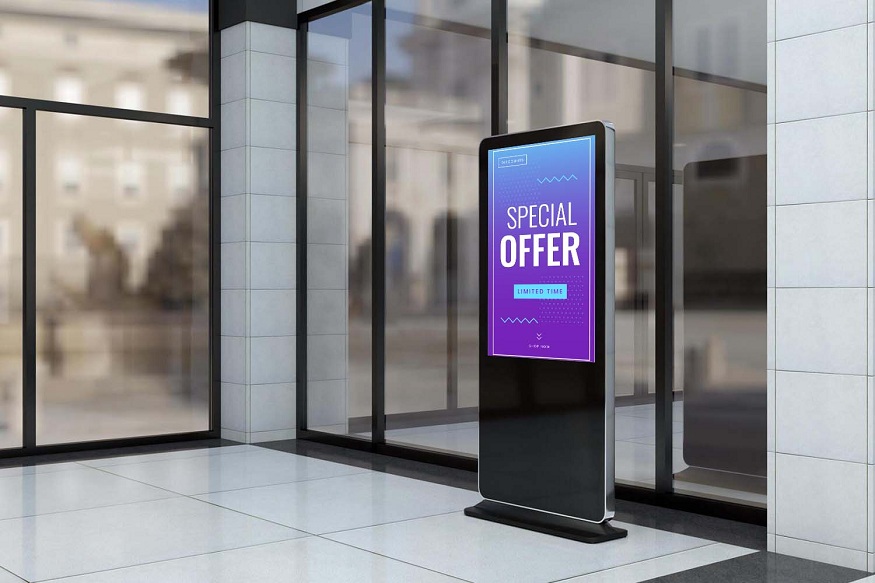
Keeping patients engaged while they wait is key to improving their experience. Consider installing televisions, providing free Wi-Fi, or offering a selection of books and magazines to help pass the time. Digital signage can also be used to display important health information or promote services offered by the surgery.
2. Implementing Digital Check-In Systems
One of the biggest sources of frustration for patients is long waiting times, especially when it comes to registering their arrival. Traditional check-in methods, where patients queue up to speak with a receptionist, can be inefficient and lead to delays.
A modern digital check-in system allows patients to register their arrival electronically, speeding up the process and reducing the burden on reception staff. These systems can also automatically update patients on their waiting time, providing transparency and reducing the anxiety that often comes with uncertain wait times. Furthermore, by streamlining check-in, surgeries can minimise crowded reception areas, improving patient flow and comfort.
Read More: Is Epoxy Flooring Worth It in Palm Beach, FL’s Humid Climate?
3. Creating a Hygienic and Eco-Friendly Washroom
Washrooms are an important part of any healthcare setting, and upgrading these areas can make a big difference in patient satisfaction and hygiene standards. Modernising washroom facilities not only ensures compliance with current health and safety guidelines but also makes patients feel more comfortable during their visit.
Installing Hand Dryers
One simple yet impactful upgrade is the installation of wall-mounted hand dryers. Hand dryers are a more hygienic, eco-friendly alternative to paper towels. In healthcare settings, hand hygiene is paramount, and offering patients an efficient way to dry their hands after washing is essential.
Modern hand dryers, particularly high-speed models, dry hands quickly and thoroughly, helping to minimise the spread of germs. Additionally, hand dryers are more sustainable, reducing the amount of paper waste generated by traditional paper towels. Over time, this can lead to significant cost savings and lower environmental impact—both of which are important considerations for any healthcare practice looking to become more sustainable. By switching to hand dryers, GP surgeries can also create a cleaner, more efficient washroom experience that leaves patients with a positive impression.
Touch-Free Technology
Another key upgrade for surgery washrooms is the installation of touch-free taps, soap dispensers, and flush mechanisms. These systems reduce the number of contact points in the washroom, minimising the risk of cross-contamination and ensuring that patients feel safe when using the facilities.
Accessible Design
Ensuring your washroom is accessible to all patients is not just a legal requirement—it’s also a vital part of patient care. Make sure washroom facilities include handrails, lower sinks, and wide doors to accommodate wheelchair users and individuals with mobility issues. Creating an inclusive environment sends the message that your surgery is committed to meeting the needs of all its patients.
4. Upgrading Consultation Rooms
Consultation rooms are where the heart of patient care happens. Modernising these spaces can significantly improve both the patient experience and the efficiency of medical staff.
Ergonomic Furniture
Doctors, nurses, and other healthcare staff spend long hours in consultation rooms, so investing in ergonomic furniture is essential for their comfort and well-being. Adjustable chairs, desks, and examination tables that support proper posture and minimise strain can help reduce fatigue and improve productivity.
For patients, comfortable examination beds and seating help create a less intimidating environment. Consider incorporating furniture with easy-to-clean surfaces to maintain a high standard of hygiene.
Improved Lighting
Good lighting is crucial in consultation rooms, where clear visibility is needed for accurate examinations and procedures. Opt for adjustable, high-quality LED lighting that can be brightened or dimmed depending on the needs of the consultation. Natural light is also beneficial where possible, as it creates a more pleasant and calming atmosphere.
Modern Medical Equipment
Investing in modern medical equipment not only enhances the quality of care but also demonstrates a commitment to the latest healthcare advancements. For example, upgrading to digital blood pressure monitors or diagnostic tools that integrate with electronic medical records can streamline consultations and improve efficiency.
Read More: Denver’s Most Common Roof Problems and How to Fix Them
5. Sustainable and Energy-Efficient Solutions
More surgeries are looking for ways to operate in a more environmentally friendly manner. Not only is this important from an ethical standpoint, but patients are also increasingly expecting businesses to take sustainability seriously.
Energy-Efficient Lighting and Heating
Switching to LED lighting and energy-efficient heating systems can dramatically reduce your surgery’s carbon footprint. These systems consume less power and last longer than traditional alternatives, saving money on energy bills and reducing environmental impact.
Using Sustainable Building Materials
When modernising your surgery, consider using sustainable building materials such as recycled or low-impact products. This includes flooring, furniture, and even external cladding. Making these choices shows a commitment to environmental responsibility and can help create a healthier indoor environment for both patients and staff.
Updating your GP surgery to improve patient comfort and enhance operational efficiency doesn’t require a complete overhaul. By making strategic upgrades—whether it’s modernising the waiting area, installing hand dryers for better hygiene, or introducing sustainable practices—you can transform your practice into a welcoming, efficient, and future-ready space. These changes not only benefit patients but also create a better working environment for staff, ensuring a positive experience for everyone who walks through your doors.
For wider commercial, hospitality, or public-facing projects, small supporting details can make the finished space feel more complete. Composite decking can provide a durable, low-maintenance surface for terraces, entrances, outdoor seating areas, and customer-facing spaces; while traditional signage can add character, direction, and brand presence.